Foundation for Orthodontic Aligners Pakistan (FOAP)
New Press Release: Clear aligner therapy represents one of the fastest-growing segments in dental practice revenue >

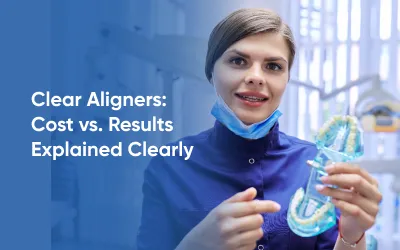
Clear Aligners:
Cost vs. Results
Explained Clearly
Get started
Cost vs Outcome: Are Aligners Worth It for Patients?
Clear aligner therapy has become one of the most discussed advancements in modern orthodontics. Patients increasingly prefer it for its aesthetic appeal, comfort, and removability compared to fixed braces. In this FOAP-focused orthodontic education article, we evaluate whether clear aligners truly justify their cost when measured against clinical outcomes, long-term stability, and patient satisfaction.
In Pakistan, orthodontic treatment decisions are often influenced by affordability and visible results. This makes it essential to understand not only what aligners cost but also what they realistically achieve. This guide is designed to help patients and clinicians evaluate aligners using evidence-based orthodontic principles.
Are Clear Aligners Really Worth the Cost?
Clear aligners can produce highly effective orthodontic results, but their overall value depends on clinical suitability rather than the appliance alone. Success is closely linked to accurate diagnosis, correct case selection, and consistent patient compliance. When these factors are aligned, aligners can offer results comparable to fixed braces, particularly in cases focused on alignment and aesthetics.
Where aligners work best
Aligners are most predictable in cases where tooth movements are mild to moderate and do not require complex biomechanical control. This includes crowding, spacing, and minor bite adjustments. They are also well suited for adult patients who prioritize appearance and comfort during treatment.
Read More: Retention After Aligner Therapy: Why Retainers Matter
Where limitations appear
The effectiveness of aligners reduces in more complex orthodontic situations. This includes severe skeletal discrepancies, significant bite corrections, and cases requiring detailed vertical or rotational control. In such conditions, fixed braces generally provide more controlled and consistent outcomes. Overall, the “worth” of clear aligners is not universal. It depends on how well the case matches the capabilities of the system and how carefully treatment is planned and followed through.
Cost vs Outcome: What Patients Need to Know About Aligners
Clear aligners generally cost more than traditional braces because they rely on advanced digital workflows and fully customized manufacturing for each patient. Unlike fixed appliances, every stage is pre-planned using 3D software, and multiple sets of aligners are produced to guide gradual tooth movement over time.
Why aligners cost more:
- 3D digital scanning and simulation
- Custom aligner series production
- Multiple refinement stages
- Regular monitoring and adjustments
However, higher cost does not automatically mean better results.
Outcome depends on:
- Orthodontist experience
- Patient compliance (20–22 hours daily wear)
- Accuracy of treatment planning
- Complexity of tooth movement required
When these factors align, outcomes can match or closely approach braces in selected cases.
Clear Aligners vs Traditional Braces: Which Offers Better Value?
Both treatment options serve different clinical needs and are used depending on the complexity of the case and patient expectations. Clear aligners are often preferred for their aesthetic appeal and convenience, while traditional braces remain widely used for their comprehensive control in orthodontic correction. Clear aligners offer several advantages. They are nearly invisible in appearance, which makes them suitable for patients who are conscious about aesthetics during treatment. They also allow better oral hygiene control because they can be removed while brushing and flossing. In addition, they carry a reduced risk of gum inflammation, provide more comfort in daily wear, and typically result in fewer emergency visits compared to fixed appliances.
Traditional braces also have important advantages. They provide strong control over complex tooth movements and do not depend on patient compliance for wear time since they are fixed in place. They are generally more cost-effective in many regions and are suitable for full-spectrum orthodontic correction, including more complicated cases. From a value perspective, aligners mainly provide lifestyle value due to their comfort and appearance benefits, while braces provide clinical control value because of their ability to manage a wider range of orthodontic conditions with consistent precision.
Do Aligners Deliver Better Results Than Braces?
Clinical research from orthodontic journals such as AJODO and JCO shows that aligners can achieve similar outcomes to braces in properly selected cases.
Evidence-based findings:
- High predictability in anterior alignment
- Good results in mild spacing and crowding
- Limitations in torque and root control
- Need for refinement stages in 30–50% of cases in some studies
Effectiveness depends more on case selection than appliance type.
Understanding the Return on Investment in Orthodontic Treatment
Return on investment in orthodontic treatment includes both clinical and psychological outcomes. Clinical benefits include improved bite function, better access for oral hygiene, and a reduced risk of uneven tooth wear over time. Psychological benefits are equally important and include improved facial aesthetics, greater confidence in social interactions, and a more professional appearance. In many cases, clear aligners provide a higher perceived return on investment due to their comfort, convenience, and aesthetic advantages during treatment.
Read More: How Clear Aligners Improve Patient Confidence and Compliance
Why More Patients Are Choosing Clear Aligners
The increasing demand for clear aligners is largely driven by advancements in digital dentistry and changing patient expectations. Patients are now more aware of invisible treatment options and prefer solutions that do not affect their appearance during daily life. Workplace and social considerations also play a significant role, especially among adults who want discreet orthodontic care.
Improved digital treatment planning, faster workflows, and better aligner materials have further supported this trend by making treatment more predictable and comfortable. In urban areas of Pakistan, clear aligners are especially popular among working professionals and university students who prioritize aesthetics and convenience in orthodontic treatment choices.
Patient Satisfaction and Treatment Outcomes With Aligners
Patient satisfaction with clear aligners is generally high when compliance is maintained. Most patients appreciate their comfort and flexibility compared to traditional braces, particularly in daily routines like eating and oral hygiene.
Benefits:
- Less irritation to gums and cheeks
- Easier brushing and flossing
- No food restrictions
- Fewer emergency visits
Considerations:
- Requires strict daily wear discipline (20–22 hours)
- Risk of misplacing aligners
- Temporary speech adjustment in the early days
The True Cost of Clear Aligner Therapy
Clear aligner cost is not limited to the trays themselves. It reflects a complete digital orthodontic workflow that includes diagnosis, planning, and multiple treatment stages. This process usually begins with consultation and orthodontic assessment, followed by digital scans and 3D simulation of tooth movement. After that, a full series of aligners is manufactured, often accompanied by mid-course corrections and refinements if teeth do not track as planned. Finally, retainers are provided to maintain results.
Lower-cost aligner systems may reduce some of these steps, which can directly affect accuracy and long-term stability.
Clinical Evidence Behind Clear Aligner Effectiveness
Clear aligners are supported by orthodontic research when used in properly selected cases. Their effectiveness is well documented in mild to moderate orthodontic problems.
- Mild to moderate crowding correction
- Spacing and minor alignment cases
- Limited effectiveness in severe bite issues
- Less control in complex tooth rotations
- Best results in carefully planned treatments
In more complex cases, traditional braces still offer more predictable control.
Are Aligners Worth It for Adults and Teenagers?
For adults, aligners are often a preferred option due to their aesthetic advantage and convenience in professional settings. Adults also tend to show better compliance, which directly improves treatment outcomes. Teenagers can also benefit, but success depends heavily on supervision and consistency in wear time. Irregular use can reduce effectiveness and extend treatment duration.
Factors That Influence Clear Aligner Success
The success of aligner treatment depends on both clinical planning and patient behavior. Accurate diagnosis and proper case selection form the foundation of predictable results. Equally important is patient compliance, especially wearing aligners for 20–22 hours daily without interruption. Regular follow-ups, use of attachments when needed, and timely adjustments also play a major role in ensuring proper tooth movement.
Cost Effectiveness of Aligners in Modern Orthodontics
Although aligners have a higher upfront cost, they can be cost-effective in suitable cases. They often reduce emergency visits, minimize chair time, and allow more predictable treatment progression. In addition, the lower risk of enamel damage and improved hygiene can add long-term value. When treatment is well planned, these benefits can balance the initial investment.
Digital Orthodontics and Improved Treatment Outcomes
Digital orthodontics has significantly improved the predictability of clear aligner therapy. Three-dimensional planning allows orthodontists to visualize tooth movement before treatment begins. This improves accuracy, helps patients understand expected results, and increases motivation during treatment. It also allows more controlled staging of aligners compared to earlier methods.
Aligners vs Braces: A Clinical Perspective
The choice between aligners and braces depends mainly on case complexity.
- Braces are more effective for complex orthodontic movements
- Aligners work well for mild to moderate cases
- Hybrid treatment is used in some situations
- Decision is based on diagnosis, not patient preference alone
How Patient Compliance Affects Treatment Results
Patient compliance is one of the most critical factors in aligner success. Even well-planned cases can fail if aligners are not worn correctly. Poor compliance can lead to delayed treatment, improper tooth movement, and the need for additional aligners. It can also reduce final accuracy, making results less predictable. For this reason, patient education is essential before starting treatment.
Long-Term Benefits of Clear Aligner Treatment
When completed properly, clear aligner treatment can provide stable and long-lasting results.
Patients often experience improved oral hygiene habits during treatment, which contributes to better long-term dental health. With proper retainer use, the risk of relapse is significantly reduced.
Common Misconceptions About Aligner Costs
Many patients have unrealistic expectations about aligner treatment.
- Aligners are always better than braces (depends on case)
- Higher cost guarantees better results (not always true)
- Aligners work without discipline (compliance is essential)
Read More: Why Dentists in Pakistan Prefer Aligner Therapy
Evidence-Based Orthodontics: Do Aligners Work?
Clear aligners are effective when used within evidence-based orthodontic guidelines. Research and clinical studies support their use in selected cases.They are most effective for mild to moderate orthodontic problems and require proper planning and monitoring throughout treatment. In more complex cases, their limitations become more evident.
What Orthodontists Should Tell Patients About Aligners
Clear communication is essential for successful treatment outcomes. Patients should clearly understand the expected treatment duration, the importance of wearing aligners consistently, and the possibility of refinement stages. They should also be informed about the limitations of aligners in complex orthodontic cases. This helps ensure realistic expectations and better treatment cooperation.
Future Trends in Clear Aligner Treatment
The future of aligners includes:
- Artificial intelligence in treatment planning
- Faster aligner manufacturing
- Improved biomechanics
- Expansion into complex cases
- Better integration with digital orthodontics
End Note
Clear aligners represent a significant advancement in orthodontic treatment, especially for patients prioritizing comfort and aesthetics. However, their value is determined by case selection, orthodontic expertise, and patient compliance. Within FOAP’s orthodontic education framework, aligners should not be seen as a replacement for braces but as a highly effective treatment modality when used appropriately. For patients in Pakistan, the decision ultimately depends on balancing cost, expectations, and clinical needs.
When planned correctly, clear aligners offer strong clinical outcomes along with high patient satisfaction, making them a worthwhile option for suitable cases.