Foundation for Orthodontic Aligners Pakistan (FOAP)
New Press Release: Clear aligner therapy represents one of the fastest-growing segments in dental practice revenue >

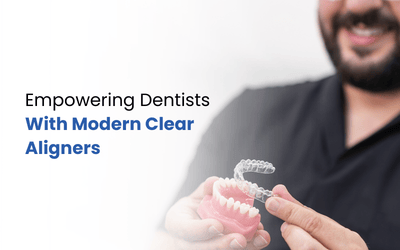
Empowering Dentists
with Modern Aligner Expertise
Get started
Why Dentists in Pakistan Prefer Aligner Therapy
Over the past decade, orthodontics in Pakistan has undergone a noticeable transformation. Traditional metal braces, once the default solution for correcting misaligned teeth, are now being complemented and in many cases replaced by clear aligner systems. Dentists across the country are rapidly embracing this shift, not just because it’s a global trend, but because it aligns with evolving patient expectations and clinical advancements.
Organizations like FOAP are playing a key role in educating and empowering dental professionals to adopt modern orthodontic solutions, including aligner therapy.
The Rise of Aligner Therapy in Pakistan
ligner therapy refers to a series of custom-made, transparent trays designed to gradually move teeth into their ideal position. Unlike conventional braces, aligners are removable, nearly invisible, and more comfortable.
In Pakistan, increasing awareness, improved accessibility, and advancements in dental technology have made aligners a preferred choice for both dentists and patients.
1. Growing Patient Demand for Aesthetic Solutions
Today’s patients are more conscious of their appearance than ever before. Adults and young professionals, in particular, prefer orthodontic treatments that do not interfere with their daily lives or confidence.
Clear aligners offer:
- A discreet, nearly invisible appearance
- The ability to remove trays during meals or events
- Minimal impact on speech and lifestyle
As a result, dentists are adapting their treatment offerings to meet this rising demand.
2. Enhanced Patient Comfort and Convenience
One of the biggest reasons dentists are shifting toward aligner therapy is improved patient comfort. Traditional braces often cause discomfort due to wires and brackets.
Aligners, on the other hand:
- Apply gentle, controlled force
- Reduce the risk of mouth ulcers and irritation
- Require fewer emergency visits
This leads to a smoother treatment experience, which improves patient satisfaction and retention.
3. Predictable and Digitally Planned Outcomes
Modern aligner systems use advanced digital scanning and treatment planning software. Dentists can now show patients a visual simulation of their future smile before treatment even begins.
This offers:
- Greater treatment predictability
- Improved case planning
- Enhanced patient trust and case acceptance
For dentists, this level of precision is a major advantage over traditional methods.
4. Increased Professional Training and Awareness
A significant factor driving this shift is the availability of specialized training programs. Institutions like FOAP are actively promoting continuous education in aligner orthodontics.
Through workshops, certifications, and collaborations, dentists are gaining:
- Hands-on experience with aligner systems
- Knowledge of case selection and treatment planning
- Confidence to integrate aligners into their practice
This educational push is accelerating adoption across Pakistan.
5. Expanding Scope of Treatable Cases
There was a time when aligners were limited to minor corrections. However, modern advancements now allow dentists to treat more complex orthodontic cases using aligners.
These include:
- Moderate crowding and spacing
- Bite issues (in selected cases)
- Relapse cases after braces
As capabilities expand, more dentists are choosing aligners as a primary treatment option.
6. Improved Practice Growth and Patient Acquisition
From a business perspective, offering aligner therapy gives dental clinics a competitive edge. Patients actively search for clinics that provide modern, comfortable, and aesthetic solutions.
Benefits for dentists include:
- Increased case acceptance rates
- Higher patient satisfaction
- Stronger brand positioning as a modern practice
Aligner therapy is not just a clinical upgrade—it’s also a strategic growth opportunity.
7. Better Oral Hygiene During Treatment
Maintaining oral hygiene with traditional braces can be challenging. Food particles often get trapped around brackets and wires, increasing the risk of plaque buildup.
Aligners solve this issue by being removable, allowing patients to:
- Brush and floss normally
- Maintain better gum health
- Reduce the risk of cavities during treatment
This makes aligners a healthier option in many cases.
Challenges Dentists Should Consider
While aligner therapy offers numerous benefits, it is not without challenges:
- Requires proper case selection
- Depends heavily on patient compliance
- Needs training for optimal results
However, with the right education and experience, these challenges can be effectively managed.
The shift toward aligner therapy is more than just a trend; it reflects the future of orthodontics. As technology continues to evolve and awareness grows, aligners are expected to become a standard treatment option across Pakistan.
With continued support from organizations like FOAP, dentists are better equipped than ever to deliver advanced, patient-centered care.
Final Thoughts
The growing preference for aligner therapy among dentists in Pakistan is driven by a combination of patient demand, technological advancement, and professional education. From improved comfort to predictable outcomes, aligners are redefining how orthodontic treatment is delivered.
For dentists looking to stay ahead in a competitive and evolving field, adopting aligner therapy is no longer optional; it’s essential.