Foundation for Orthodontic Aligners Pakistan (FOAP)
New Press Release: Clear aligner therapy represents one of the fastest-growing segments in dental practice revenue >

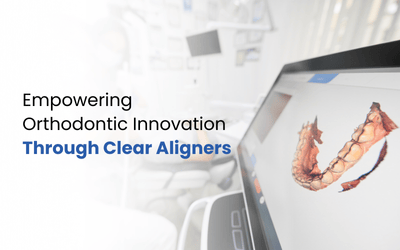
Empowering Orthodontic Innovation
Through Clear Aligners
Get started
Aligner Innovations 2026
The Evolution of Clear Aligner Therapy in Pakistan
Over the past decade, orthodontic care in Pakistan has transformed significantly. What once relied solely on traditional metal braces has evolved into sophisticated, clear aligner systems powered by digital workflows. Clear aligner therapy is now gaining momentum across major urban centers like Lahore, Islamabad and Karachi.
From Traditional Braces to Digital Orthodontics
In traditional orthodontics, mechanical forces via brackets and wires dominated treatment planning. Now, 3D orthodontic planning, AI-driven staging and custom clear aligners have redefined how clinicians deliver results. The shift toward invisible braces in Pakistan reflects both rising aesthetic demand and growing technological access.
Aligner Innovations 2026 Transforming Orthodontic Care
As we move toward 2026, several innovations are reshaping the field of clear aligners in Pakistan.
Artificial Intelligence in Treatment Planning
AI is now central to digital orthodontics. It enables faster and more accurate treatment simulations. By analyzing large datasets of successful cases, AI can assist doctors in crafting evidence-based aligner therapy customized for each patient.
3D Printing and Precision Aligner Manufacturing
Advanced 3D orthodontic printing allows in-house or lab-based production of trays. This means better fit, faster turnaround and improved consistency, especially in localities like DHA Lahore, where demand for custom clear aligners is rising.
Smart Materials and Faster Tooth Movement
New materials like smart polymers allow aligners to deliver more controlled and continuous forces. This means faster tooth movement with reduced discomfort, improving outcomes for both doctors and patients.
Clear Aligner Therapy Clinical Advantages
Predictable Outcomes for Doctors
- AI staging systems improve treatment predictability
- Digital simulations support treatment planning
- Reduced refinements and adjustments due to accurate aligner fit
- Aligner biomechanics ensure optimal force application
Comfort, Aesthetics and Safety for Patients
- Transparent trays offer near-invisible treatment
- Smooth edges ensure comfortable orthodontic treatment
- Easy removal improves oral hygiene
- No metal, no risk of cuts or wire pokes
Role of FOAP in Advancing Aligner Orthodontics
The Foundation for Orthodontic Aligners Pakistan (FOAP) has become a trusted national authority, advocating clinical excellence, education and innovation.
FOAP Mission Statement
- Deliver exceptional aligner education
- Lead research-driven development
- Uphold ethical and patient-centered care
FOAP Vision
- Become Pakistan’s aligner orthodontics leader
- Foster national and global collaboration
- Set international standards for clinical quality
FOAP Objectives
- Provide professional orthodontist aligner training
- Advance FOAP research in orthodontics
- Build public awareness of aligner benefits
Doctor-Centric Perspective on Aligner Innovations
Clinical Accuracy and Biomechanics
Modern aligners utilize AI and biomechanics to control force systems more precisely than brackets ever could. Doctors can stage movements in ideal sequences, avoiding round-tripping and excessive force loads.
Evidence-Based Aligner Protocols
FOAP promotes protocols that are guided by outcome-based studies. Data collected in Pakistan is helping doctors develop best practices rooted in local demographics and response rates.
Patient-Centric Perspective on Modern Orthodontics
Transparent Treatment and Predictable Results
Patients now expect transparency not just in tray design but in planning. Treatment previews and digital models let them see the final result before starting.
Improved Quality of Life
- Eat without restrictions
- Fewer clinic visits
- Minimal discomfort
- Boost in confidence and appearance
Future of Orthodontic Care in Pakistan
FOAP’s Role in Shaping National Standards
FOAP is helping guide the national conversation. By setting guidelines, accrediting educational platforms and engaging with both the dental and regulatory communities, the foundation is preparing the country for widespread smart aligner systems adoption.
Aligner Innovations Beyond 2026
Future predictions include:
- Real-time wear tracking with IoT
- Self-adjusting aligners
- Fully remote monitoring
- Cloud-based aligner delivery systems
End Note
2026 is a defining year for orthodontics in Pakistan. From AI in orthodontics to invisible braces, the evolution is rapid and patient-focused. FOAP is positioned to lead this transformation, guided by its mission of ethical innovation, education and global collaboration.
FAQs
Clear aligner therapy uses transparent plastic trays to move teeth gradually without metal braces.
Yes. Aligners are safe, removable, and effective for both teens and adults when prescribed and monitored by a licensed orthodontist.
They are equally effective in many cases and better for aesthetics and hygiene. However, complex movements may still require braces.